
Okay, so check this out—if you’ve been poking around NFTs, DeFi, or any of the flashy apps on Solana, you probably ran into Phantom. Wow! It’s everywhere. It’s simple, and for many folks it’s the first wallet that actually feels like something a normal person would use without a manual. I’ll walk through what it does, why people trust it, and the safest way to get the browser extension without a headache.
Phantom’s core pitch is straightforward. Quick setup. Clean UI. Integrated token and NFT views. But beyond the surface, the extension solves a few real pains that used to make onboarding into Solana a chore. Seriously—no joke. If you’ve tried to juggle seed phrases in a text file or import awkward JSON keyfiles, Phantom feels like a breath of fresh air. My instinct said, “this is gonna stick,” and it pretty much has.
Still, that doesn’t mean you should click the first “Install” button you see. There are copycats and spoof sites. So first rule: go straight to a trusted source. For the browser extension, that means getting it from the official extension store for your browser or a verified distribution page. One natural place to start is the phantom wallet download extension page I use when I’m checking links for clients: phantom wallet. Don’t trust random search results that look flashy but have weird domains. Seriously.
Installation is usually two or three steps. Click install. Pin the extension in your toolbar. Create a new wallet or import one. Easy. But let’s slow down a bit; there are a few choices you make during setup that matter. One, write down your seed phrase offline. Two, don’t store that phrase in a screenshot or cloud note. Three, consider creating a hardware wallet for larger balances. These are basic protections, yet I still see people skip them—drives me nuts. Oh, and by the way… use a password manager for your extension’s password if you set one.
How Phantom Handles Keys and Security
Phantom stores your private keys locally in the browser profile by default. That’s convenient. It also means browser security matters. If someone gains access to your machine account, they could potentially use the extension. So keep OS-level security tight. Use a strong login password. Enable disk encryption where possible. And close tabs you don’t need—odd tip, but it helps reduce exposure in shared or public machines.
People ask whether Phantom is custodial. Nope—your keys, your control. That’s why the seed phrase backup is so very important. Another practical tip: when you create a wallet, phantom gives you a seed phrase backup prompt. Write it down on paper. Don’t take a photo. Sounds old-school, but paper survives tech failures and many attacks that target cloud storage. If that sounds paranoid, maybe it is—but for big funds, it’s the difference between sleeping and sleepless nights.
One small caveat though—browser extensions have limitations. They’re great for daily use. They’re not a replacement for a hardware wallet if you’re moving tens of thousands. Use both. Export accounts to a hardware device if Phantom supports that flow for that account type. The added step is worth the risk reduction.
Using Phantom with dApps
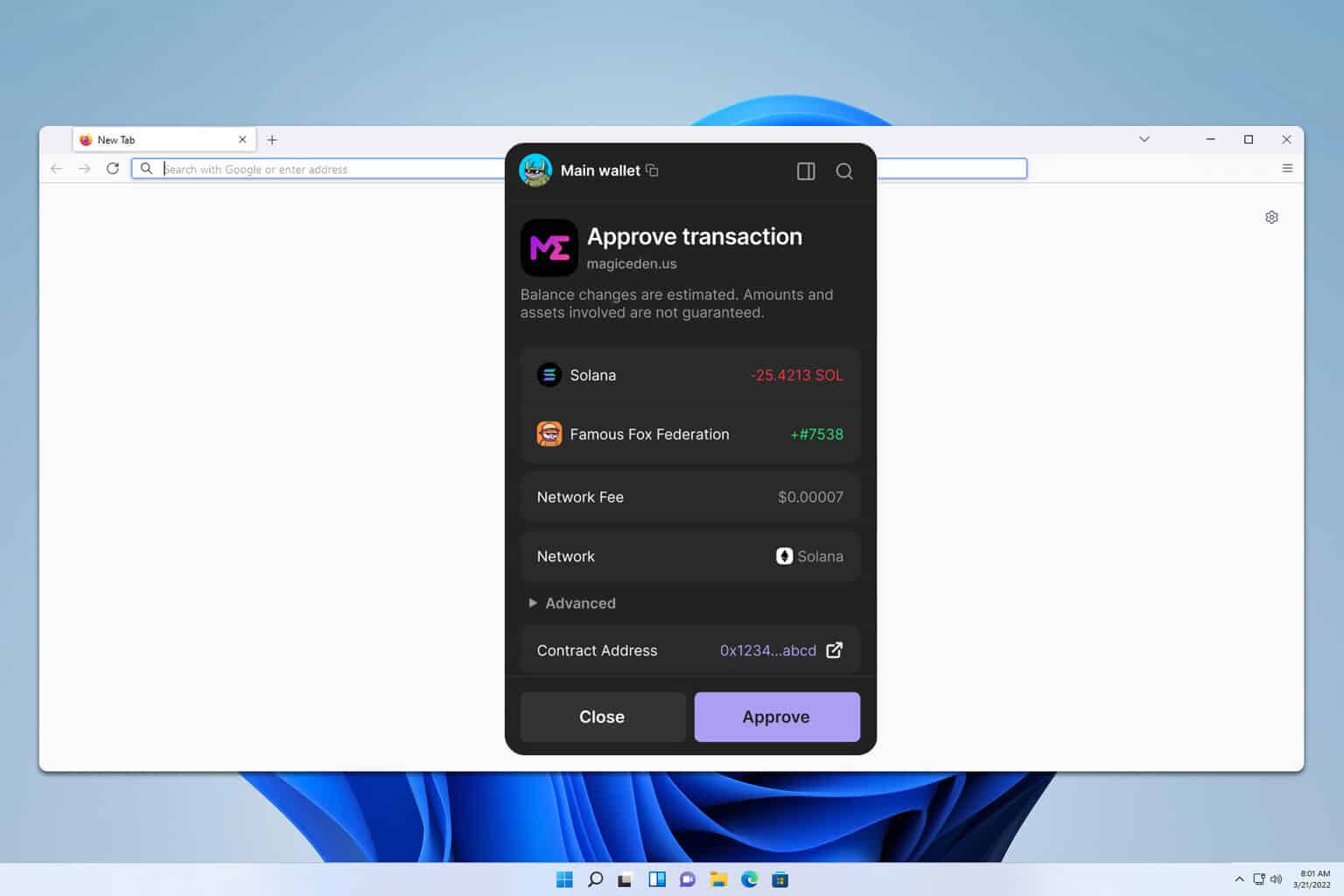
Connecting Phantom to Solana dApps is usually seamless. Click “Connect” on a site, confirm the pop-up, and you’re in. The challenge is learning to read the permission prompts. That’s the thing that trips people up. A site asking to view your public key is normal. A site requesting transfer approvals for tokens you didn’t mint? Pause.
Here’s a simple rule: when prompted to sign a transaction, verify the action you expect. If a signature request looks like gibberish or mentions arbitrary program calls you don’t recognize, decline. If you decline and then the site insists—close the tab. There are legitimate advanced interactions with complex transactions, but most everyday actions are obvious: swap, approve, send. If it’s not obvious, treat it like a red flag.
Also, remember that approvals can linger. Phantom allows you to see and revoke token approvals. Every so often, audit what dApps you’ve connected to and revoke access you’ll never use again. It’s good hygiene—quick and free.
Tips for Power Users (and what bugs me)
I’m biased toward wallets that keep things tidy. Phantom does a lot right, but a few things bug me. For example, when you have many NFTs, the gallery can feel cluttered. Not a dealbreaker, but it shows that product design still has room to grow. Also, cross-device recovery can be fiddly if you’ve used different browser profiles. So keep the seed phrase consistent and documented the way you’d prefer—label it a bit, store it safe.
If you’re an advanced user, think about network endpoints. Phantom talks to public RPCs by default. That’s fine for most users, but if you’re building or doing heavy transactions, consider an RPC that offers higher throughput or reliability. And yes, there are ways to configure that in Phantom settings. Don’t change things willy-nilly though—know what the RPC does before switching.
FAQ
Is Phantom safe to use for everyday transactions?
Yes—for daily-sized funds and routine interactions Phantom is safe when paired with good device hygiene. Keep your OS patched, avoid public Wi‑Fi without a VPN, and never share your seed phrase. For large holdings, add a hardware wallet.
Can I recover my wallet if I lose my computer?
Yes. Recovery is via your seed phrase. That’s why you should write it down and store it in a secure place. Without that phrase, recovery is not possible. No, seriously—there’s no support team that can restore it for you.
What if I accidentally installed a fake extension?
Uninstall it immediately. Revoke any approvals if possible. Move any funds to a new wallet created from a seed phrase you control. Report the fake extension to the browser store. And double-check future installs via trusted sources—again, use the official phantom wallet download extension link I mentioned earlier to be safe.