
Understanding the psychology behind gambling behavior in casinos
The Allure of Risk and Reward
The psychology of gambling is largely rooted in the allure of risk and reward. The thrill that comes from placing a bet creates an adrenaline rush that many find irresistible. This emotional high often clouds rational judgment, prompting individuals to take risks they might otherwise avoid. For players seeking enjoyment, exploring the best real money online pokies can enhance their gaming experience. The reward system in the brain activates when players win, reinforcing the gambling behavior and making them more likely to return for another round. It’s this potent combination of excitement and potential financial gain that keeps players coming back.
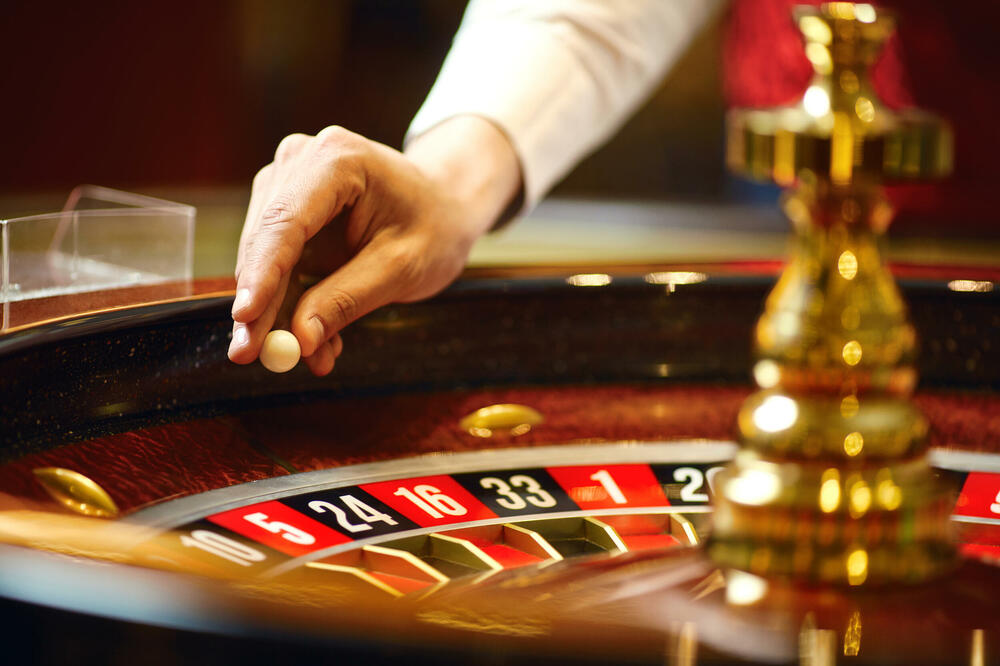
Additionally, the phenomenon of ‘loss chasing’ plays a significant role in gambling behavior. When players experience losses, they may feel compelled to continue betting in hopes of recouping their money. This often leads to a cycle of increased betting and escalating losses, driven by the psychology of not wanting to walk away empty-handed. Over time, this behavior can lead to a destructive pattern that impacts personal finances and mental health.
Understanding the psychological triggers that compel individuals to gamble is essential for both players and operators. Casinos are designed to exploit these triggers through various means, such as ambient sounds, colorful lights, and enticing visuals. This creates an immersive experience that keeps players engaged and can lead them to lose track of time and money. Recognizing these patterns can empower gamblers to make informed choices about their play.
The Role of Environment in Gambling Behavior
The environment in which gambling takes place has a profound influence on behavior. Casinos are meticulously designed to create a sense of excitement and urgency. The layout encourages movement and exploration, with gaming tables and machines strategically positioned to draw in customers. The use of attractive lighting and sound effects enhances the overall experience, making it difficult for players to resist the temptation to join in the fun.
Social dynamics also play a crucial role in gambling behavior within casinos. People often feel a sense of community when gambling, whether they are celebrating a win or commiserating over a loss. This social aspect can amplify both the thrill of victory and the despair of defeat. Friends and fellow gamblers create an atmosphere that can encourage individuals to take risks they might not consider in isolation, effectively creating a collective experience that fuels their gambling behavior.
Furthermore, the presence of high-stakes games attracts a certain demographic that can influence others around them. Celebrity gamblers, for instance, bring attention and excitement, often drawing crowds that want to witness or be a part of the action. This dynamic can elevate the overall gambling experience, encouraging casual players to wager more than they initially planned, driven by the atmosphere and the influence of those around them.
The Impact of Cognitive Biases
Cognitive biases significantly shape gambling behavior, often leading players to make irrational decisions. One prevalent bias is the ‘gambler’s fallacy,’ the belief that past outcomes can influence future results in games of chance. For example, a player might think that if a number has not been drawn recently, it is due to appear soon. This flawed reasoning can encourage players to continue betting when they might otherwise stop, based on false assumptions about randomness.
Another cognitive bias is overconfidence, where players believe they possess skills that will lead to consistent wins. This is particularly common in skill-based games like poker. Players might convince themselves that they can outsmart their opponents or that they have mastered a particular strategy, leading to larger bets and greater risks. This overestimation of ability can mask the reality of the odds and lead to substantial losses.
Understanding these cognitive biases is crucial for both players and casinos. By recognizing the psychological traps that can lead to poor decision-making, gamblers can develop strategies to mitigate their effects. Casinos, on the other hand, can tailor their marketing and promotions to appeal to these biases, effectively enticing players to engage in behavior that may not be in their best interest.
The Influence of Emotions on Gambling Choices
Emotions play a significant role in gambling behavior, often dictating choices more than logical reasoning. Many gamblers approach the tables or machines seeking an escape from stress, anxiety, or other negative feelings. The act of gambling can serve as a temporary relief, providing a distraction that allows individuals to forget their troubles, at least for a while. However, this emotional engagement can lead to compulsive behaviors, as individuals may find themselves returning to gambling as a primary coping mechanism.
Moreover, the emotional rollercoaster of winning and losing can create a cycle of highs and lows that players become addicted to. The joy of winning can be euphoric, while the disappointment of losing can lead to a desperate attempt to chase those winnings. This emotional volatility can obscure judgment and lead to poor decision-making, as players may continue to gamble even when they know it might not be wise.
Recognizing the emotional triggers behind gambling can help individuals develop healthier coping strategies. Instead of turning to gambling as a source of comfort, players can explore alternative activities that provide fulfillment and relaxation. By understanding the psychological interplay between emotions and gambling, individuals can better navigate their choices and potentially avoid the pitfalls of addictive behavior.
Enhancing Responsible Gambling Awareness
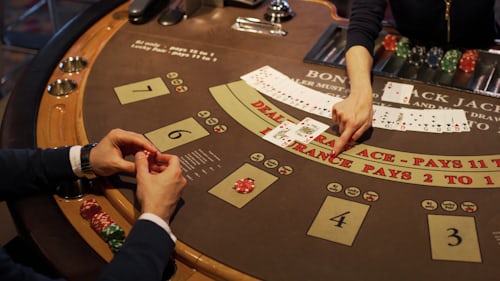
Given the complex psychology behind gambling behavior, fostering responsible gambling practices is crucial. Educating players about the mental traps and biases that can influence their decisions empowers them to make informed choices. Many casinos and gaming establishments offer resources designed to promote awareness of responsible gambling, including self-assessment tools and tips on recognizing when to stop.
Additionally, support systems are essential for those who find themselves struggling with gambling-related issues. Counseling and support groups provide safe spaces for individuals to share their experiences and seek help. These platforms can help mitigate the negative consequences of gambling, allowing players to reestablish a healthy relationship with gaming.
By prioritizing responsible gambling, both players and casinos can create a more balanced environment. Operators can implement measures that promote awareness while providing resources for those in need. Ultimately, understanding the psychology behind gambling behavior is a shared responsibility, leading to safer gaming experiences for everyone involved.